loading icon

Resistances and Exclusions

Mary
Christofides
Resistances and Exclusions
July 27, 2019 - September 8, 2019
Poros

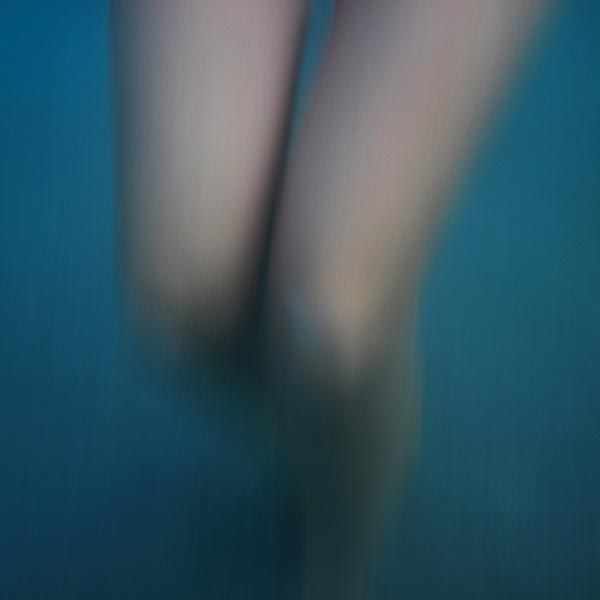
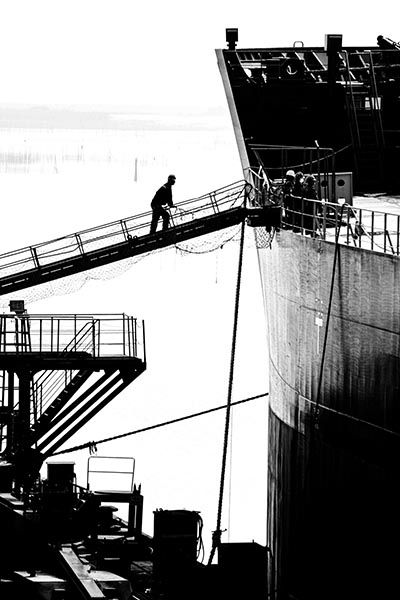
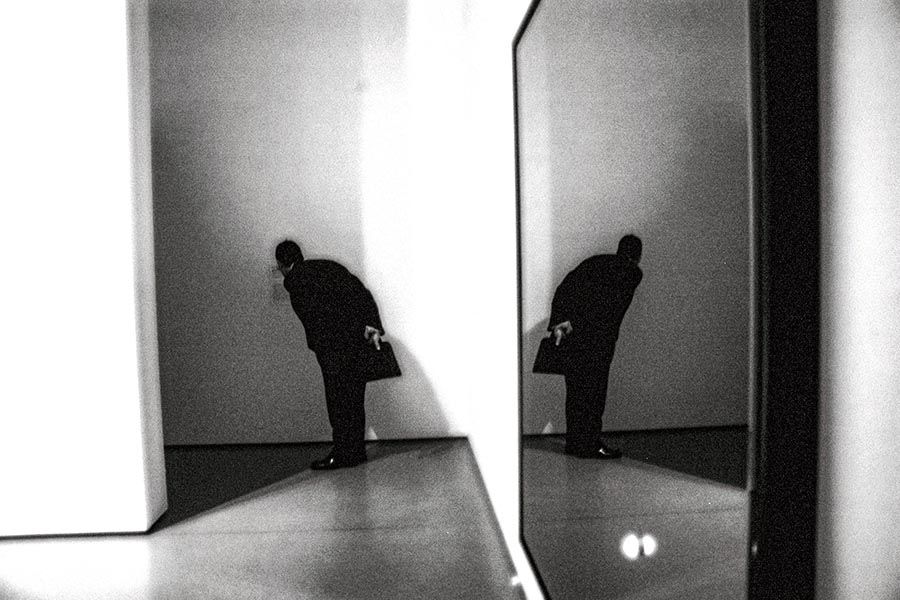
Mary Christofides does not illustrate messages or tell stories. She simply draws attention to small coincidences in the context of her everyday life, resulting from the encounter between insignificant events chosen by her senses and the importance attributed to them by her memory through her photographic frame. Thus, she uses small selected fragments to build her personal timeline. Her success is due, inter alia, to the priority and preservation of the photographic process. Thus, the photographic result preserves its polysemy and its power to abstract, and the photographic process the mystery that provokes it.

Platon Rivellis, curator of the exhibition

Artworks

Lemon Grove – Diaries of a Summer

Jannis
Psychopedis
Lemon Grove – Diaries of a Summer
June 8, 2019 - July 24, 2019
Poros

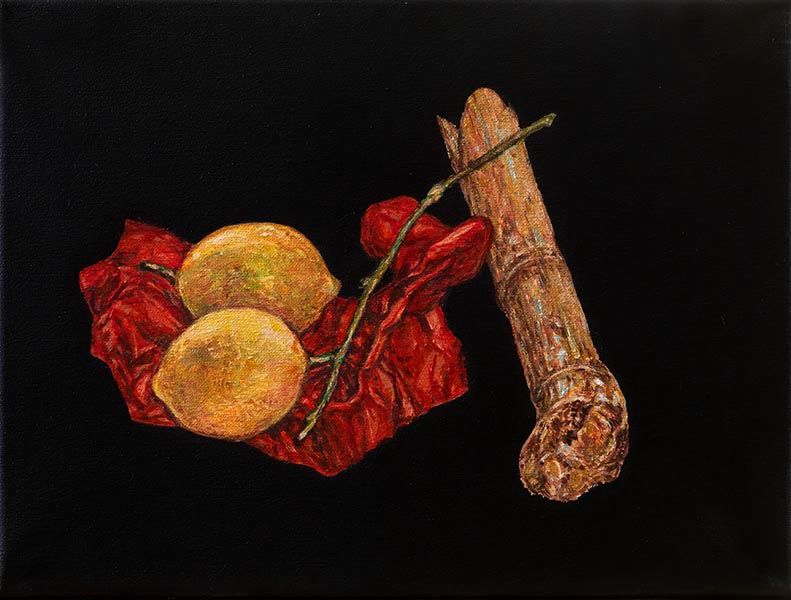
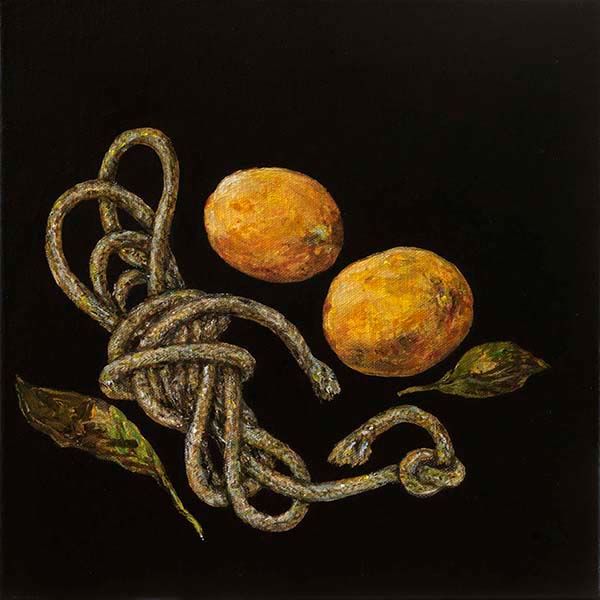
"Lemon Grove – Diaries of a summer" is a series of 67 new works, still lifes, at Citronne Gallery. The title alludes directly to the eponymous grove of Galatas on the Peloponnesian coast, although it is considered to be part of the island of Poros and was immortalized in the Kosmas Politis novel of the same title.

In this series of works Jannis Psychopedis revisits "Still Life", which is by definition about things cut off from the flow of life and turned into symbols as parts of natural life. The contradiction between the two words, still and life, or life and death, give a first taste of the artist's dialectic reading of history.

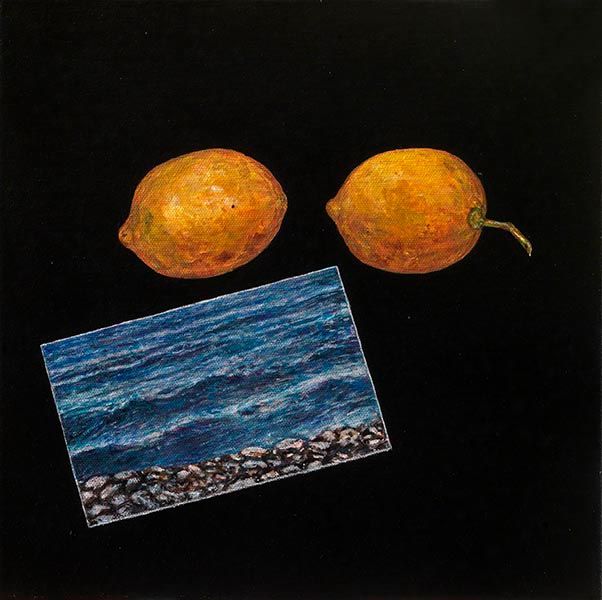
All the works unfold before a black backdrop. A key, shared element of the visual staging is lemons. A fruit associated with Mediterranean abundance, natural and cultural, the lemon forms part of people's daily lives — as an edible good, as medicinal aid, as symbol of Orthodox sacraments, and even as a female name.

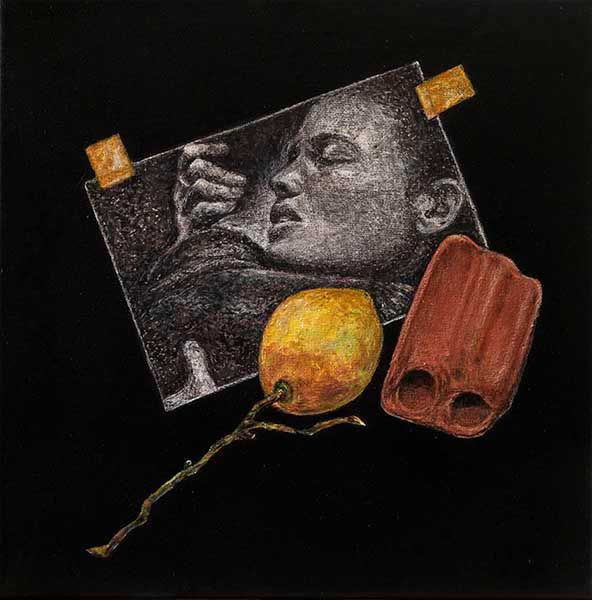
As a "still life", lemons here coexist with seemingly disparate objects: fragments of statues, postcards, measuring tools and implements of manual labour. Through this staging process the artist conveys traces of memories, images, mental pictures. These are layers of time which mix up different periods, at the same time cultivating the idea of a "written monument", a testimony. The realistic rendering and the visual technique of a pseudo-collage intensify this impression.

Jannis Psychopedis develops an entire system of symbols. The works in this series form part of a modular work; they are works-pages from a visual diary. The gold-colored fruits are accompanied by elements of daily life: bread, "our daily bread", the fundamental symbol of sustenance, historically elevated into a social demand; utilitarian objects, symbols of toil; flowers and fruit, a classic allusion to youth and fertility. Next to these testimonies of living, Psychopedis draws the viewer's attention to a resounding memento mori through traces of the past and of intrinsic history: shattered ancient statues; worn wood from shipwrecks; old photos with frozen faces; postcards with immobilized images of the sea.

Starting from a place which forms part of the identity of Poros, the Lemon Grove, Jannis Psychopedis opens up to Mediterranean civilization, to the natural environment, to the sea. Starting from the imprint of personal recollections, he expands into the broader and inevitable collective memory.

Artworks

The Alphabet – Archaic Palimpsest

Jannis
Psychopedis
The Alphabet – Archaic Palimpsest
June 8, 2019 - September 30, 2019
Poros

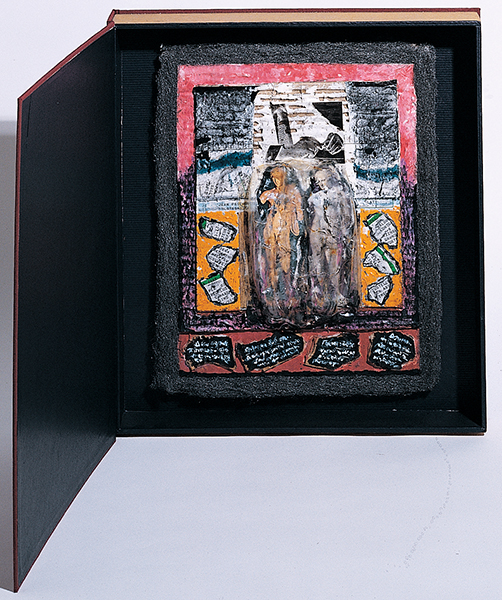
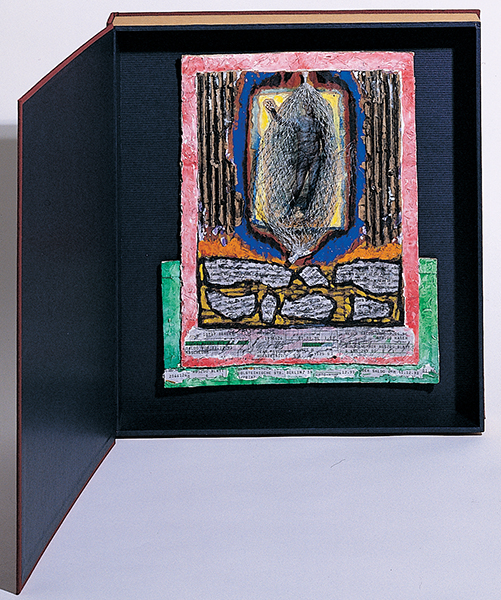
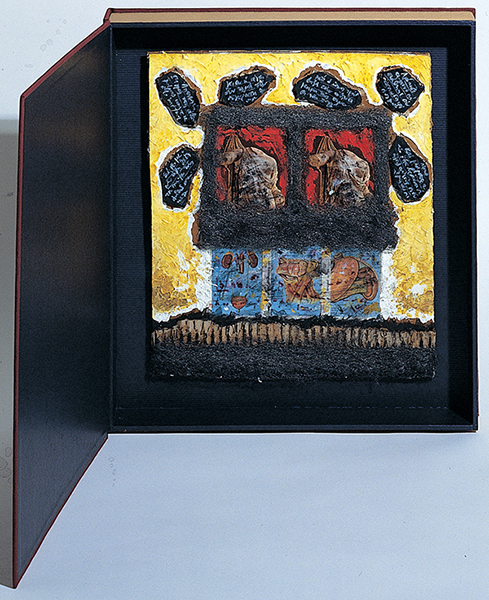
In the Archaeological Museum of Poros, Jannis Psychopedis depicts time and the traces of history in twenty-four artworks-books of equal size, each corresponding to a letter of the Greek alphabet. This numbering alludes readily to the divisions of Homer's epic poems into 24 rhapsodies. Indeed, Homer is the starting point for the key concepts and timeless dilemmas of humanity: death-life, memory-oblivion, identity-alienation, love-aversion, transcendence-hubris. This dialectic has the primary conceptual role in the overall work of Psychopedis, who creates a 'palimpsest' of testimonies.

Artworks

Encapsulation − Mappemonde − The Secret Book

George
Lappas
Encapsulation − Mappemonde − The Secret Book
November 29, 2018 - May 31, 2019
Athens

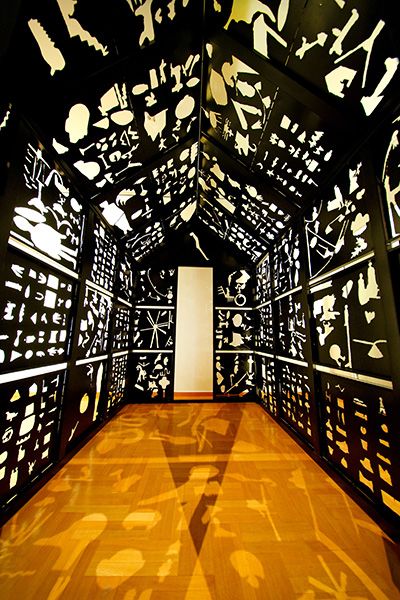
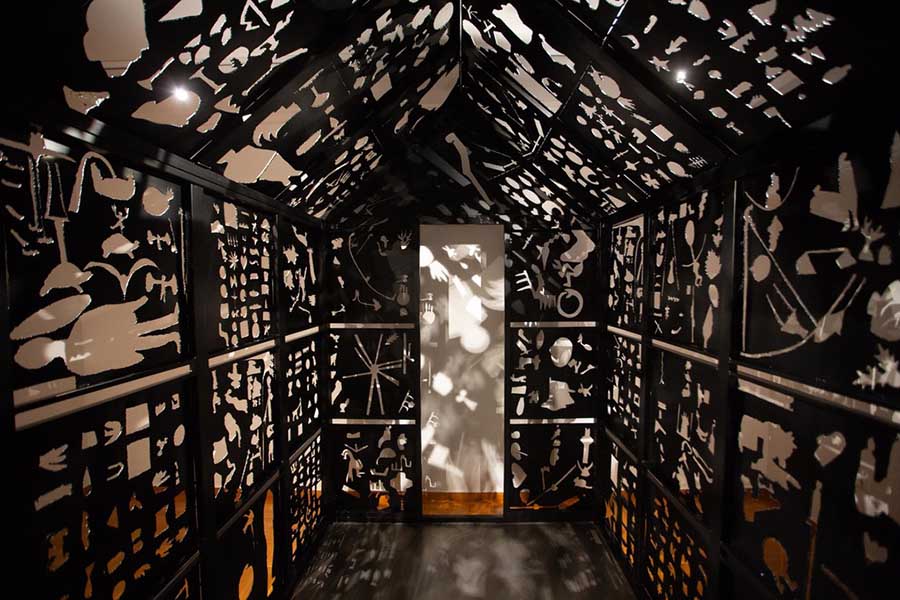
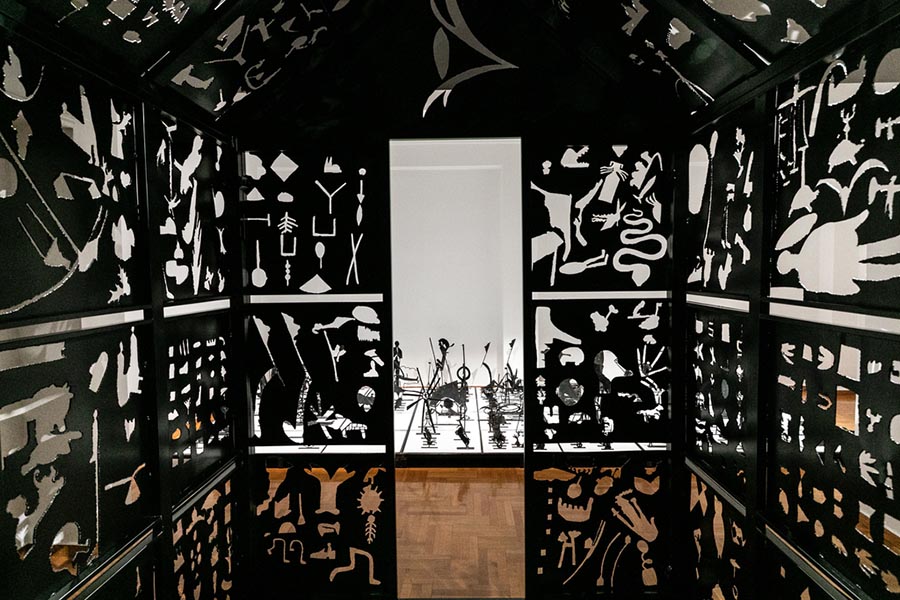
Citronne Gallery, Athens operates in parallel and complementary to the Poros gallery to propose a different art space. In Poros the emphasis is on the local; in Athens, on the global—the interface of world networks. A flat in a 1960s apartment block is converted to meta-function as an exhibition space. On Thursday, November 29, it opens with the exhibition "Encapsulation – Mappemonde" of George Lappas, re-exhibiting one of the best-known and most important works of Greek post-war sculpture, Mappemonde.

Citronne Gallery aspires to achieve a synthesis between local and global, making use of the networks that link the Greek capital with Diaspora and international art. It will display and re-display works that have stood the test of time and function space; that is, works whose symbolism transcends the boundaries of time and space.

True to this spirit, “Mappemonde,” the Map of the World, comes as a delineated, “encapsulated” memory field which is in turn “encapsulated” into the memory of an urban residence. This as charting, a sculptural narrative that starts from personal experiences but at the same time opens up to a universal scale.

As noted by co-curator Yorgos Tzirtzilakis, it is “a work of a mystical nature…, the model of a world with the question of classification at its core... [making] Lappas a latter-day mythologist-sculptor who, in this case, does not so much carve a material with his scalpel but rather constructs, engraves, cuts and above all assembles…”
The 600-page catalogue by Citronne – Athens incorporates the unpublished Secret Book of George Lappas. This precious, hitherto unknown archive material documents the layout of the composition using photocopied photographs, material from the one hundred and sixty-four "plates-casts” (maps), drawings for the three thousand "elements" as well as handwritten notes, catalogue references, calculations and sketches.

Sculptor Afroditi Liti, the life partner of George Lappas, states that “…This was the word of “mappemonde” which was composed of small objects of metal welded together, and a home which took its form from an imaginary quest of his birthplace…”; she believes that “In a scholarly way, through his sculpture, George succeeded in bridging the gaps and obsessions existing between the public and art.” Also, as co-curator Afroditi Liti mentions “after 31 years, and in the space of a hospitable Athenian flat, we are invited to re-appraise, ‘encapsulated’ George’s ecstatic personal map through the stitching together of strewn images of civilization.”

The new venture of Citronne rekindles and builds on an initiative that began twelve years ago. It aspires to enrich the capital’s artistic life with new ideas and fruitful collaborations.

Co-curators & Catalogue Editors
Afroditi Liti, Tatiana Spinari–Pollalis, Yorgos Tzirtzilakis

Lighting
Eleftheria Deko

Catalogue Design
Yorgos Rimenidis – Grid Office

Artworks

The Ambivalence of Memory

Kostas
Paniaras
The Ambivalence of Memory
May 19, 2018 - September 30, 2018
Poros

The theme of this year’s exhibition evokes the inherent identity of a museum, which by definition is the space where memory is preserved and highlighted.

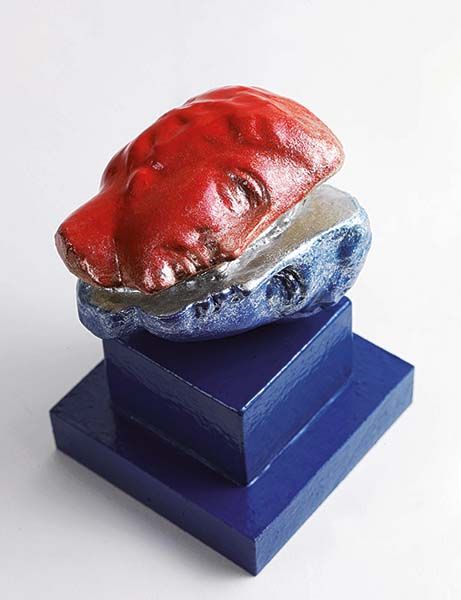
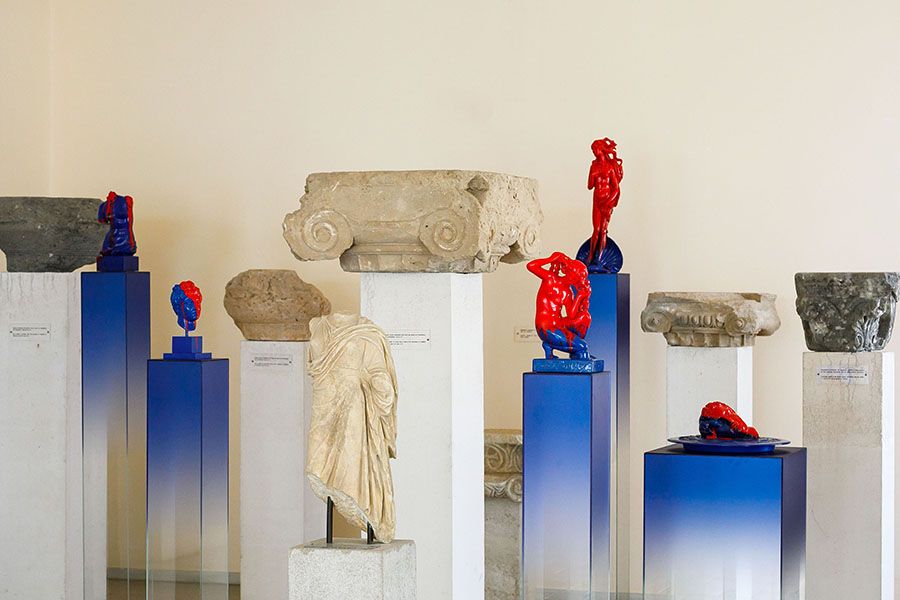
The Archaeological Museum features a group of works overpainted by the artist Kostas Paniaras. These works serve as his personal comments on the museum’s exhibits. The ‘Ambivalence’ of his memory shows through, affirming and treating the ambiguity of history.

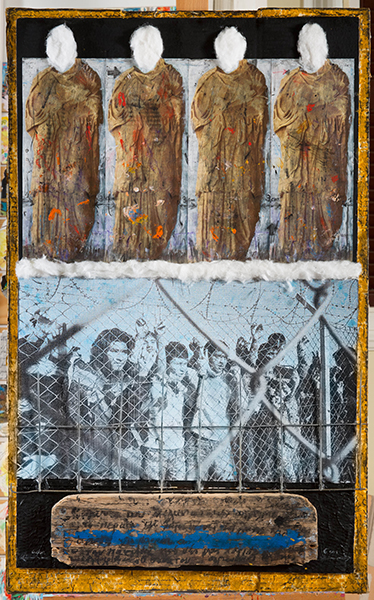
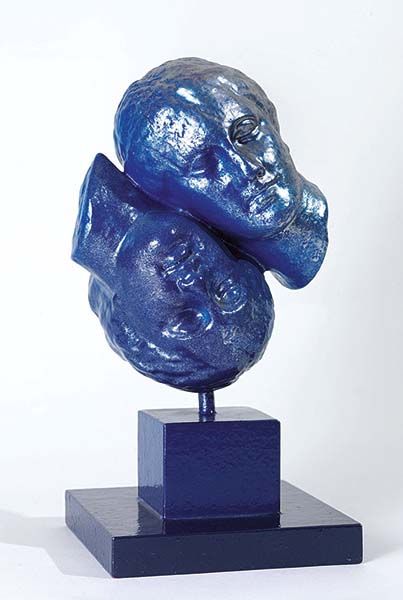
As a Greek artist, Kostas Paniaras strives to deal with a prodigiously large cultural heritage, the burden of a long past. His works have as their starting-point the often abused plaster copies of symbols of antiquity; yet he also begins with authentic museum exhibits. He indiscriminately insinuates himself in all of these: he overpaints them, bisects them, multiplies them. He renders clear, discernible, and recognizable the theme of historical memory and its consequences.

The works by Kostas Paniaras have been selected first on the basis of their ‘archaeological interest’. At the same time however the selection focusses on the treatment of memory — collective and personal — which also often turns tyrannical. The artist’s ‘Ambivalence of Memory’ is reflected in the ‘representations’ of select symbols in which he sometimes multiplies the copies (‘The Memory of Night’, 1984), and sometimes bisects them (‘Day and Night’, 1984). He thus expresses the desire for proud national continuity but also the need to be freed from from the dead weight of history.

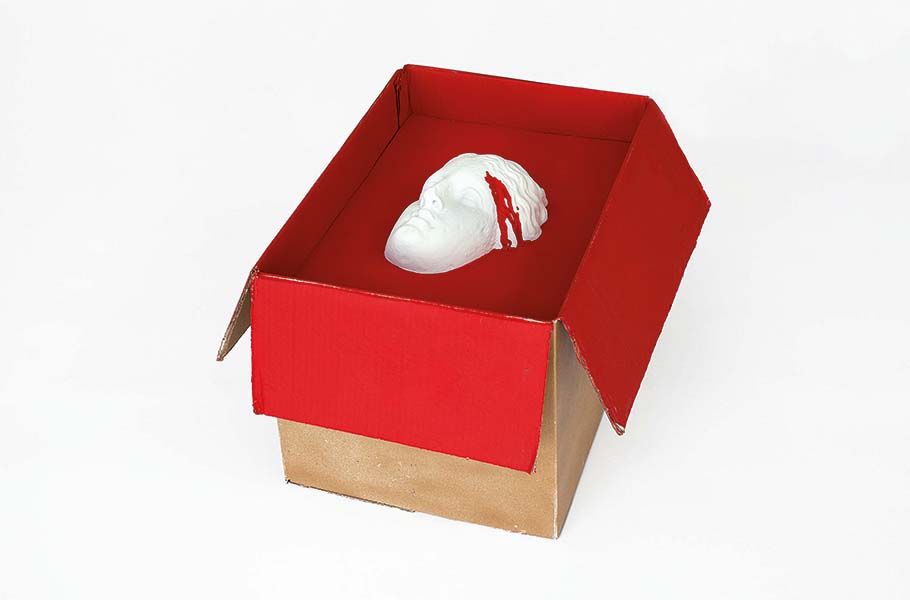
The relationship and dialogue of Kostas Paniaras with the ancient world have characterized his work for many decades. They surface unexpectedly; for instance, the ‘Package for an Unknown Recipient’, a parcel box with a red interior, contains a copy of the head of Hygieia. This work, one of the artist’s last before his death in 2014, suggests the nature of his own questions.

What is more, especially in his recent works he presents the contemporary debates about the uniqueness and incommensurability of a work of art: the question of how images of the most famous, unique, and invaluable works in museums — the landmarks of world heritage — change over time and are conveyed. Thus, the three-part section ‘Aphrodite’ (2012-14) can be assigned to three different sources. ‘Aphrodite III’ starts off from an overpainted, mass copy in sculpted form of Venus rising out of the sea from Botticcelli’s well known Renaissance painting, with its allusions to ancient Greek mythology. The subsequent anonymous maker of the mass object not only copies the original in an arbitrary way, he also changes its identity, turning a painting into a sculpture. In his second Aphrodite, ‘Aphrodite I’, Paniaras has ‘severed’ the head and part of the body; the work has Aphrodite of Melos as its starting-point. A third Aphrodite, ‘Aphrodite II’, takes its cue from Aphrodite of Rhodes, a late Greek adaptation of the famous Crouching Venus of the 3rd century BC. The world famous head of Alexander the Great is represented as an item of food in a deep blue dish — a classic Greek symbol that has changed, having been wounded and worn by time, use and abuse.

As an international Greek artist, Kostas Paniaras searches for the global message of Greece’s cultural legacy. At the same time he strives for a new, private definition, an individual approach to the reality of Greek history. This search is visible and detectable in the works now displayed in the Archaeological Museum.

Artworks

Landscapes of Memory

Kostas
Paniaras
Landscapes of Memory
May 19, 2018 - July 17, 2018
Poros

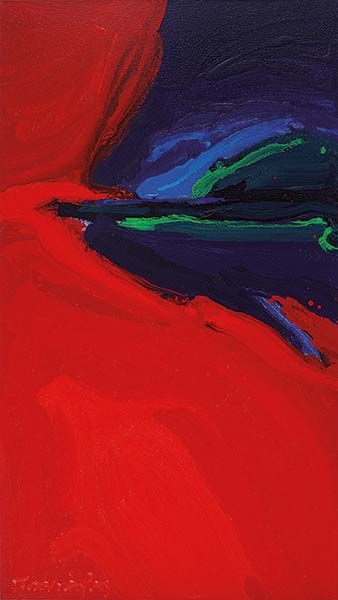
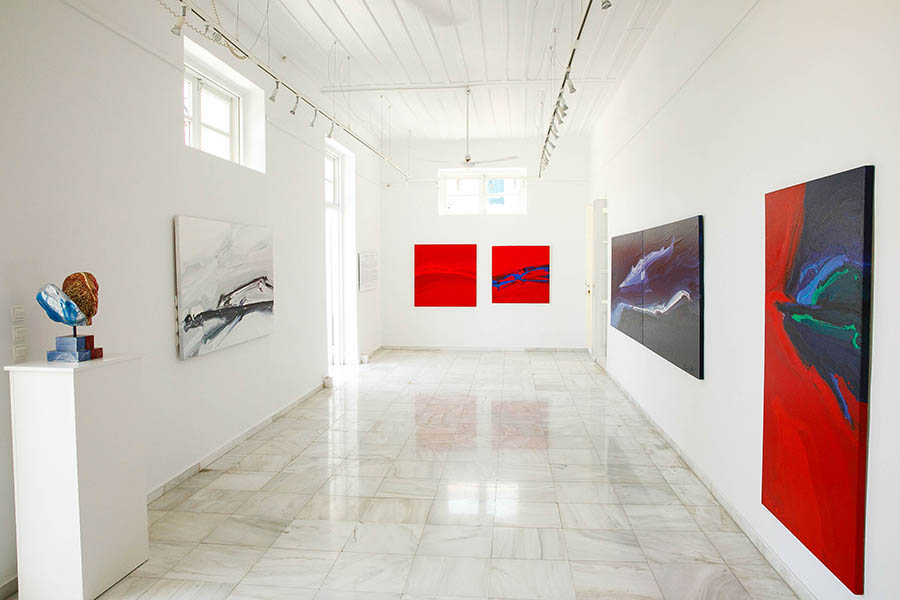
In Kostas Paniaras’ one-man show at Citronne Gallery, ‘Landscapes of Μemory’ focuses on overpainted replicas and the ambivalent treatment of the cultural past. The exhibition ‘Landscapes of Μemory’ aims at approaching the development of the artist’s aniconic idiom and to bring out the distinct visual and thematic components of his works.

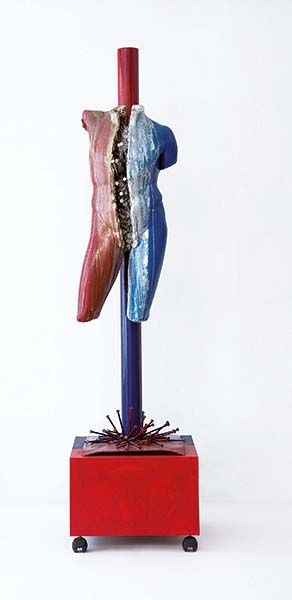
The gallery presents a section which features overpainted sculpture alongside of two-dimensional paintings on canvas and paper. The exhibited works thus belong to his more general artistic production. At any event, the artist regards his overpainted works of sculpture as paintings; that is, in his view the copies of sculpture make up another painted surface. The gallery is therefore showcasing paintings on canvas and on sculpted surface just as he used to do.

The exhibition has three particular sections. The first presents some of Paniaras’ last works, which belong to the large section entitled ‘The View’, a visual retrospective in space and time, with references to his personal memories of landscapes. The sea of the Corinthian Gulf dominates, as also do nature and the sky, mental images of the land of his ancestors.

The second section contains overpainted works of sculpture. The first overpainted sculptures date from the beginning of the 1980’s and treat almost exclusively topics of memory (‘The Memory’, 1984; ‘The Memory of the Night’, 1984; ‘Triple Memory of Sikyon’, 1984). Many of these works reappear in the next decades, for instance, ‘Sebastian’ (1985 and 1993)— at times drastically transformed, like the complete but bisected head of Alexander (1983).

Finally, the third sub-section features early works with fantastic landscapes and abstract forms. It is possible to detect a gradual transition from particular, naturalistic elements to abstraction. These works, little known or entirely unknown in Greece, show the thread of an artistic trajectory culminating in a final phase. In the works from the 1960’s it is also possible to discern the element of ‘randomness’ - actual, specific material that is part and parcel of his artistic creations.

Artworks